
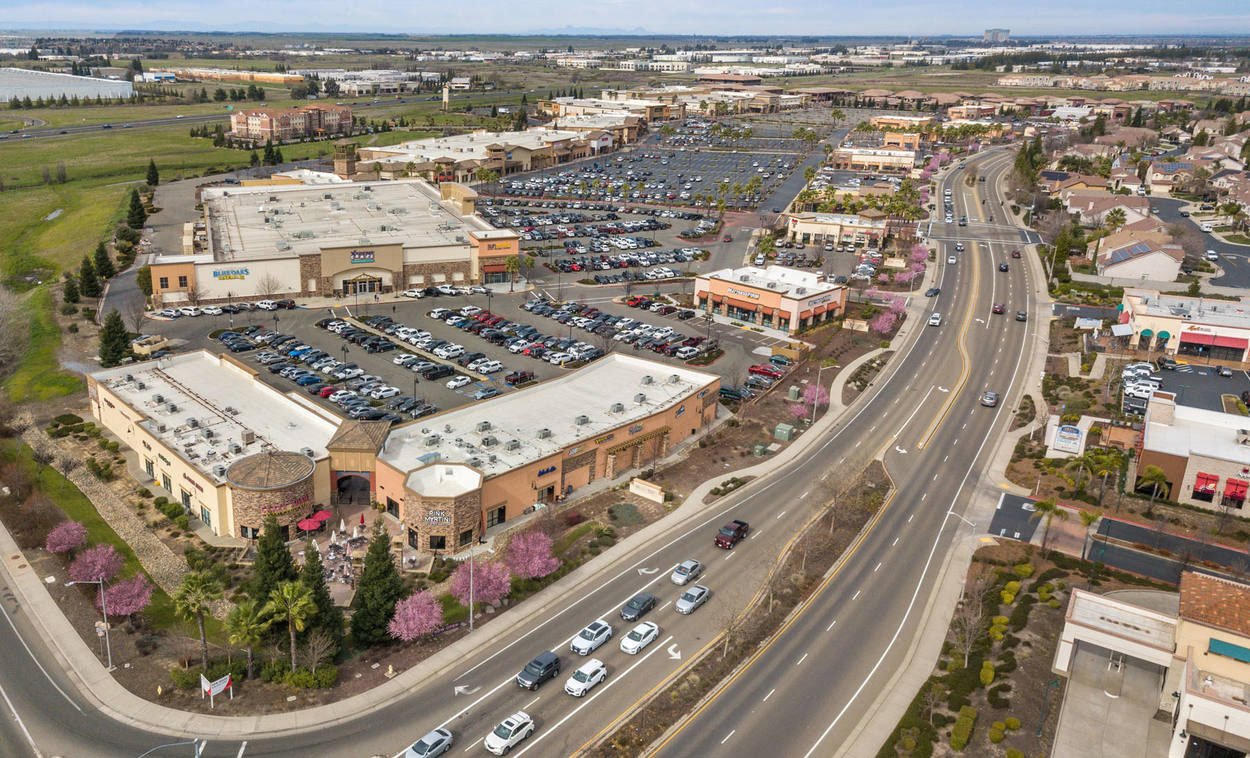

Success in commercial real estate requires more than simple acquisition. It demands a deliberate approach to how an asset is positioned and maintained within a shifting economy. For investors, mastering asset management for commercial property separates a stagnant holding from a high-performing portfolio. At Steelhead Real Estate Partners, we believe value is found in the seamless execution of long-term plans rather than just the purchase price.
Managing multimillion-dollar transactions requires technical expertise and market intuition. Whether dealing with office buildings, industrial warehouses, retail, or multifamily complexes, the goal remains maximizing performance through a detailed understanding of the environment. Every investment represents a unique financial ecosystem requiring constant calibration to reach its highest potential valuation.
Table of Contents
- The Distinction Between Management and Strategy
- The Value of Regional Insight
- Mastering the Recapitalization Strategy
- Sector Specific Strategies
- Navigating Workouts and Distressed Assets
- The Role of Market Relationships
- Improving Performance through Analysis
- Building Long-Term Stability
- FAQs
The Distinction Between Management and Strategy
It is common to overlook the difference between daily operations and long-term growth. While property management services are necessary for handling tenants and maintenance, asset management treats a property as a financial entity to be optimized over time. Property management is tactical, ensuring the building functions daily and immediate tenant needs like security and rent collection are met.
In contrast, asset management is strategic, analyzing the capital stack, renovation timing, and tenant mix alignment. A strategic manager evaluates how each decision impacts the internal rate of return and eventual exit price. Success requires both functions to work in harmony. However, a provider of property management services is not typically responsible for the complex financial engineering or market trend analysis required to increase an asset’s valuation over a multi-year hold period.
The Value of Regional Insight
Local market nuances are critical for asset management in Northern California. This region presents unique challenges, from complex regulatory environments to shifting tech and industrial hubs. Navigating these variables requires hyper-local skills and established relationships with city planners and brokers.
In Northern California, a one-size-fits-all approach fails. An industrial asset in the East Bay requires a different strategy than a suburban retail center. Through our involvement with ICSC, ULI, and NAIOP, we stay ahead of these regional shifts. We provide strategies reflecting the specific requirements of mixed-use or industrial assets within this landscape, anticipating shifts in demand before they become obvious. This proactive approach to asset management in Northern California allows owners to secure renewals or pivot leasing strategies before vacancy rates rise.
Mastering the Recapitalization Strategy
Maximizing performance requires appropriate recapitalization. Many properties underperform because their debt structure no longer matches the current economic environment or the asset’s lifecycle. Strategic asset management for commercial property determines if a refinance, a new equity partner, or a complete workout is necessary to stabilize the asset or fuel growth.
Recapitalization often triggers a property’s transformation, unlocking capital for critical tenant improvements or aesthetic renovations. This is vital in office and retail sectors, where modern amenities attract high-quality, credit-worthy tenants. Without a sophisticated approach to capital markets, an owner may find themselves with a sound asset that is financially constrained and unable to compete with more aggressively funded properties.
Sector Specific Strategies
Every property type requires a unique lens for asset management for commercial property, as risks vary significantly by asset class.
- Industrial and Office Assets: These require long-term lease negotiations and a profound understanding of tenant needs. For industrial assets, logistics and access are paramount. For office spaces, the focus has shifted toward flexibility and employee wellness.
- Retail and Shopping Centers: Performance is driven by tenant synergy and consumer behavior. Managers must curate a mix of services that remain relevant to the local demographic, ensuring businesses drive mutual foot traffic a task far beyond basic property management services.
- Multifamily and Apartments: Beyond operational efficiency, managers must implement value-add programs like interior upgrades or modern amenities. These improvements justify market rents and directly increase the cap rate and net operating income.
Navigating Workouts and Distressed Assets
Not every investment goes as planned. Market downturns or interest rate hikes may lead to properties requiring work outs. This demands a transparent assessment and a creative approach to debt and equity. Steelhead Real Estate Partners specializes in these high-stakes scenarios, identifying whether a property needs a leasing pivot or aggressive financial restructuring to protect capital and find a sustainable path back to profitability.
The Role of Market Relationships
Commercial real estate remains relationship-driven. Success in asset management in Northern California depends heavily on connections with brokers, lenders, and city officials. These relationships provide “intel” that raw data cannot offer. Knowing which companies are seeking space or understanding upcoming infrastructure changes provides a significant competitive advantage.
Active memberships in ICSC and ULI ensure our clients benefit from a network rooted in local expertise. These connections lead to off-market opportunities and early warnings about legislative changes. When you understand the relationships behind market trends, you can make decisions with higher confidence and precision.
Improving Performance through Analysis
Maximizing returns involves looking beyond the balance sheet. Experienced managers analyze every relationship and trend, utilizing rigorous budgeting and financial reporting to identify revenue growth opportunities. A constant eye on the exit strategy is also essential; an asset should be managed as if it could be sold tomorrow.
This discipline ensures records are clean, maintenance is current, and leases maximize valuation. A well-managed asset is “audit-ready” at all times, reflecting professional oversight. This proactive stance is what separates professional asset management for commercial property from reactive ownership.
Building Long-Term Stability
Strategic asset management is a continuous effort requiring quality and flexibility. By pairing professional property management services with high-level strategy, owners protect investments against market volatility. The ability to pivot when necessary while keeping the long-term vision in mind is the hallmark of a successful asset partner.
At Steelhead Real Estate Partners, we focus on the details others overlook from lease clauses to recapitalization plans. We ensure every transaction is handled with precision to build a resilient and profitable future. By making informed, data-backed decisions today, we help our clients build a more secure path for their commercial real estate portfolios.
FAQs
- What is the difference between property management services and asset management for commercial property?
Property management services handle daily operations like tenant needs, maintenance, and rent collection. Asset management for commercial property is strategic, focusing on financial performance, tenant mix, recapitalization, and long-term value creation. Both work together to maximize property performance and investment returns. - Why is asset management in Northern California unique?
Northern California’s commercial real estate market has distinct challenges including regulatory complexities, fluctuating tech hubs, and evolving industrial and retail landscapes. Asset management in Northern California requires local insight, established relationships, and proactive strategies to anticipate shifts in demand and maintain high-performing assets. - How do recapitalization strategies improve commercial property performance?
Recapitalization strategies adjust the debt, equity, or financing structure of a property to match its current performance and market conditions. For investors, this unlocks funds for renovations, tenant improvements, or strategic growth, helping assets remain competitive and maximize long-term returns. - How can strategic asset management increase tenant satisfaction?
Strategic asset management goes beyond operational efficiency. By aligning tenant needs, lease structures, and property upgrades with market trends, managers improve satisfaction and retention. High tenant satisfaction reduces vacancies, boosts rental income, and enhances the overall financial performance of the property. - What role do market relationships play in asset management?
Relationships with brokers, lenders, and city officials provide insights that raw data cannot. For asset management in Northern California, these connections reveal off-market opportunities, upcoming infrastructure projects, and leasing trends, giving investors a competitive advantage in maximizing property value. - How does sector-specific asset management work?
Different property types, industrial, office, retail, and multifamily have unique risks and performance drivers. Asset management for commercial property tailors strategies for each sector, addressing tenant needs, operational efficiency, and market positioning to optimize revenue, occupancy, and long-term portfolio growth. - Why is continuous analysis important for commercial property performance?
Ongoing analysis ensures financial, operational, and tenant data are optimized for growth. By monitoring budgets, revenue, leases, and market trends, owners can proactively make decisions, identify improvement opportunities, and ensure their property remains high-performing and ready for future investment or sale.